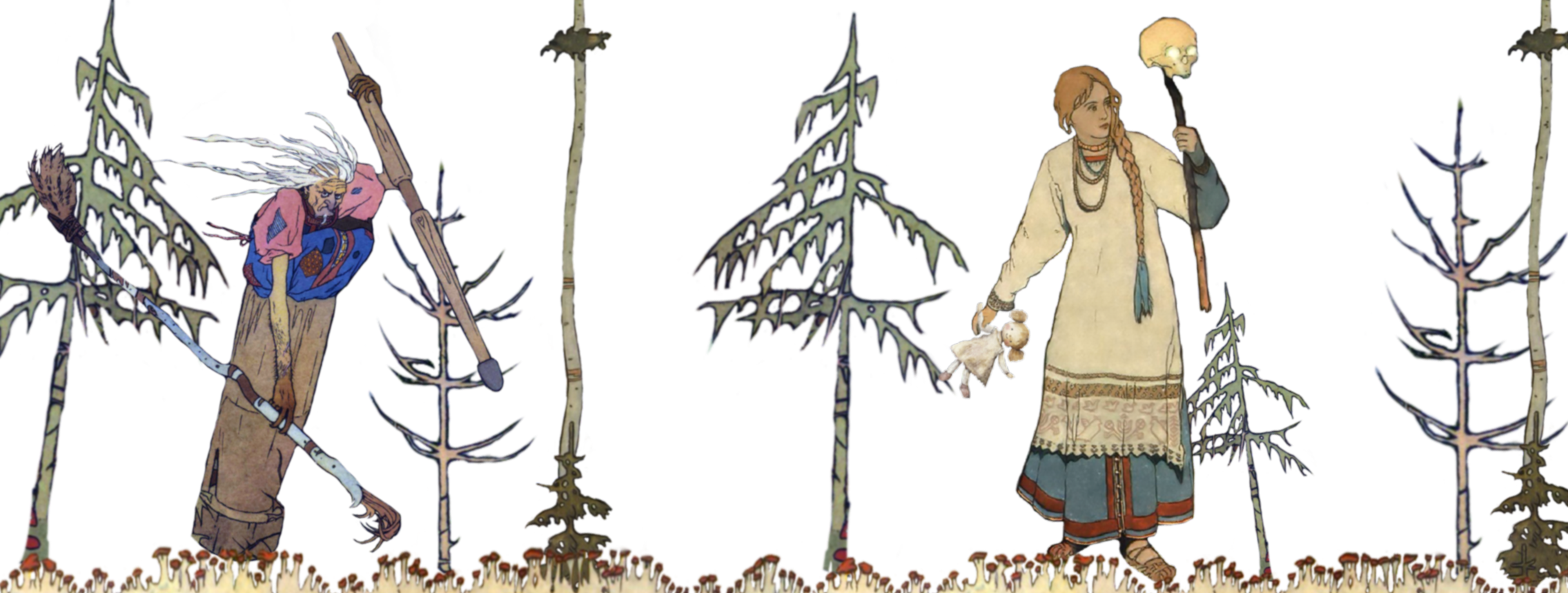
Jungian Fairy Tale Laboratory
A structured therapeutic programme in fairy tale, body, and image-making
The Programme
Not a reading of stories.
A descent into them.
There are things that cannot be reached directly. Not through explanation, not through insight alone, not through the careful unravelling of what went wrong and when. They live in a different register — the register of image, of symbol, of the body's ancient knowing. Fairy tales have always known this. They speak in that register. They always have.
Jungian Fairy Tale Therapy is a structured therapeutic programme that uses classic fairy tales as psychic territories to be entered — not narratives to be decoded. A tale is not a metaphor for your experience. It is a living symbolic field, carrying something the collective human psyche has distilled over centuries. When you encounter it at the right depth, it encounters you.
The programme works with a single tale across multiple sessions — heard whole, without preparation, and then descended through moment by moment. Each moment of the tale corresponds to a psychological movement: a wound, an exile, a false restoration, a return. These are not abstract stages. They are lived territories. And they are met — in this programme — not only through reflection and interpretation, but through the body, through image-making, through active imagination.
The body is the first witness. Before you can name what a particular image in the tale does to you, you can feel it — a constriction, a sudden release, a lean toward, a turning away. These somatic responses are not incidental. They are primary data. The sessions are structured to receive them: to slow down enough that what the body knows can be heard alongside what the mind thinks.
The made image is the second witness. In each session, something is made — a collage, a mark, an object. Not as illustration, not as artistic expression, but as what the Jungian art therapist Theodore Abt called a third presence: something that holds the psychic material between you and the work, that exists independently of your interpretation of it, and that can be returned to. The image knows things the words have not yet reached.
The fairy tale is a projection of the collective unconscious — a psychic phenomenon that has taken on narrative form over thousands of years.
Marie-Louise von Franz
This is not a course in Jungian psychology. You do not need a prior framework to enter it. What is asked is simpler and harder than knowledge: a willingness to be genuinely reached by something — to let the tale find you, rather than finding the tale. Von Franz called this trusting the symbol before understanding it. It is the discipline the programme is built on, and it is the discipline the sessions hold.
Each arc of the programme works with one tale — heard in full in the first session, before anything has been named or prepared. What it leaves in you in that first hearing is the living material of everything that follows.
Symbol
The tale's figures and images are met as living symbolic presences — amplified through the Jungian tradition of Von Franz, Hillman, and Kast. The symbol activates before it represents.
Body
Somatic responses are received as primary data — held and witnessed within the session container without being worked directly. After Woodman and Dunlea.
Making
Each session produces an art object that holds the psychic material encountered. The made image as third presence — existing independently of interpretation. After Abt and Swan-Foster.
The Handless Maiden · KHM 31
A tale of mutilation and exile
that becomes a path to wholeness.
There is a form of individuation that does not proceed through conquest. It does not move in a straight line toward a goal. It moves through endurance — through the capacity to remain genuinely present in a territory of loss, until what was taken grows back from within. Marie-Louise von Franz called this the specifically feminine arc of individuation, and she considered The Handless Maiden its most complete expression in the entire Grimm corpus.
The wound in this tale is not exceptional. It is the wound of a woman whose capacity to act, to hold, to make — whose hands — were taken before she understood what they were worth. Taken not through malice but through the unconsciousness of the father: a man who did not see what he was giving away. This specific structure — the wound that arrives through the masculine figure who was supposed to protect, who did not know what he held — is one of the most common configurations of feminine psychological wounding. The silver hands that follow are not a healing. They are a compensation: a functional surface that allows participation in the world while keeping the genuine self safely unexposed. What Donald Kalsched called the self-care system in its most elegant, most imprisoning form.
The tale traces what happens when even the silver-handed life collapses — when the second exile strips away the last protective structure and leaves the woman alone in the forest with her newborn child, without prosthetics, without the world's support, without the masculine she had come to depend on. Marion Woodman understood this as the moment the body becomes the only remaining witness: not the silver body, not the performing body, but the actual body — the one that knows things before the mind catches up, the one that registers the wound in the hands and the chest and the voice long before it can speak about it.
And there, in the forest, over seven years — the hands grow back. Real ones, this time. Not won through effort or intention, but grown through sustained authentic presence in the difficulty. The individuation that the programme traces is this arc: from the original wounding through the false restoration, through the collapse of the self-care system, into the wild years in which something grows that could not have grown in the kingdom — and finally to the recognition and the return, not to what was before, but to a wholeness that was only possible because of the loss.
Over nine sessions, we descend through the tale's key moments. Each is met in body, symbol, and making — not explained, but entered.
Nine Sessions · The Arc of the Tale
01
The tale arrives whole
The Threshold
The tale heard whole, before anything is named.
What in this tale is speaking to something you already know?
First encounter · Somatic listening · The tale as living symbolic field
02
The wound at its origin
The Bargain & The Cutting
The wound at its origin. What was given away without knowing.
Where in your body do you carry what was taken from you?
The absent father · Unconscious sacrifice · Severance · The capacity to hold and make
03
First descent
The Garden
First nourishment. The body that knows how to receive.
What nourishes you when no one is watching?
Instinctual knowing · Pre-verbal reception · The feminine self before projection
03.1
The false restoration
The Silver Hands
Something given that cannot hold what is real.
What have you learned to hold with hands that are not your own?
Inner Gold projected · The self-care system · False wholeness · Kalsched
04
When the silver life breaks
The Collapse
When the silver life is no longer enough.
What is the feeling you have been living around rather than through?
The dead corner · The system breaking from within · Authentic feeling returning
05
Second descent
The Forest
Arrival in the wilderness. Nothing to hold onto. Nothing to force.
What would it mean to stop managing what you are feeling?
Schmerzensreich · Pure mourning · Hillman · The swampland · No resolution offered
05.1
The wild years
The Forest Years
What grows in the dark that could not have grown in the kingdom.
"There is something waiting for us at the edge of the woods, and it is our fate to meet it."
Clarissa Pinkola Estés
What is waiting for you?
Wild Woman archetype · Feminine individuation · Organic restoration · Enantiodromia · Von Franz · Estés
06
Being seen
The Recognition
Being seen. Real hands shown for the first time.
What would it mean to be recognised for what is genuinely yours?
Inner Gold reclaimed · The transformed animus · Genuine recognition · Robert Johnson
07
The return
The Integration
The return — not to what was before, but to what became possible.
What has this journey changed in how you understand your own hands?
Wholeness · The tale heard again · Witnessing circle · The seven-year initiation complete
Who is this for
For those who recognise
something in the tale.
No prior background in Jungian psychology is required. What is required is a willingness to encounter your inner world through image, body, and symbol — and to be held in that encounter by a small group.
This is for you if
You feel drawn toward a deeper encounter with your inner world. You recognise in fairy tale something that resonates with lived experience. You are ready to work somatically and imaginally, not just intellectually.
This is not
A lecture course or academic study. A substitute for individual therapy. A wellness programme or self-help format. It is a structured therapeutic container — small, serious, and held.
7
Sessions
Online
via Zoom
Small
Limited places
April
2025 Launch
Join the waitlist
You will receive information about dates, format, and places before any public announcement.
Your details will be held in confidence.
No public announcement will be made before waitlist members are contacted.